
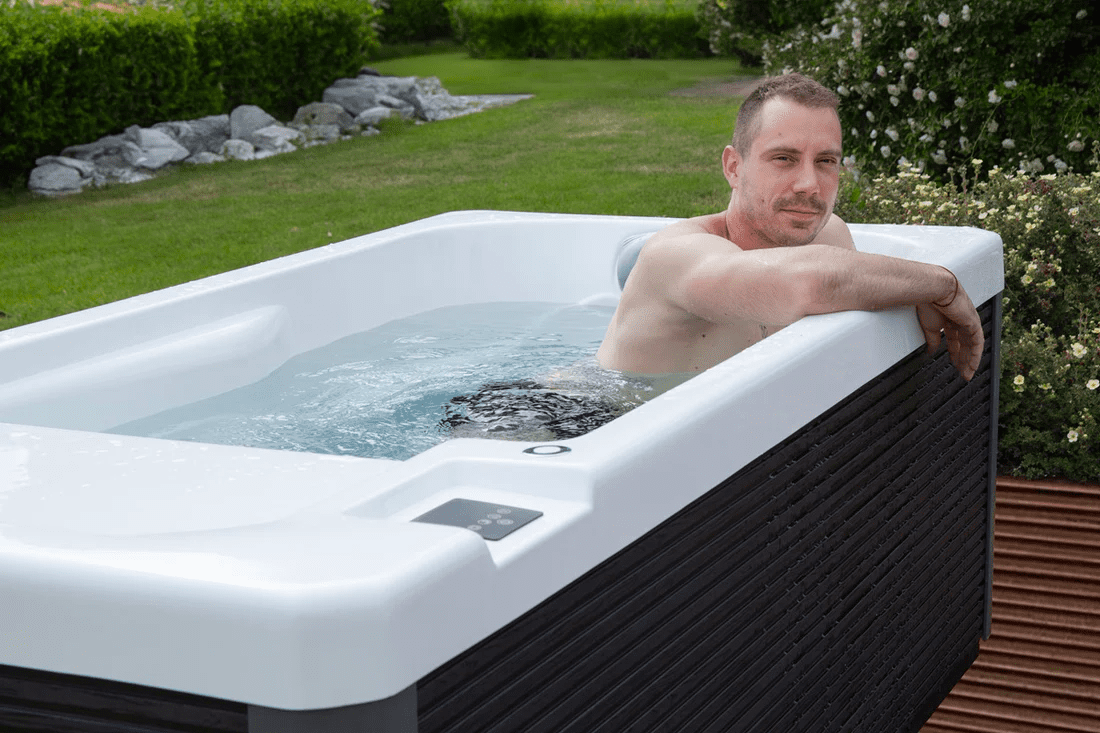
A home cold plunge is quickly becoming one of the most requested wellness upgrades in luxury bathroom remodeling.
What once felt limited to elite spas and athletic recovery centers is now entering everyday homes across the United States.
Homeowners want easier ways to improve recovery, reduce stress, improve sleep, and create a wellness-focused daily routine without leaving the house.
Many modern remodels now include a cold plunge tub beside a sauna to create a complete contrast therapy setup.
This shift is changing how master bathrooms are designed, planned, and built around wellness-focused features like a home cold plunge.
Why Cold Plunge Spaces Are Becoming Popular
Cold water therapy has become part of everyday wellness routines for many homeowners.
Instead of driving to a gym or wellness center, people now want a plunge setup available whenever they need it.
A cold plunge tub gives homeowners more control over temperature, timing, and consistency.
That convenience often leads to better long-term habits and stronger recovery routines.
Many people use a cold plunge after exercise to support recovery and reduce soreness.
Others use cold water therapy in the morning to wake the body, improve mood, and sharpen mental clarity.
The growing interest in recovery-focused living has also increased demand for plunge sauna combinations inside master bathrooms and outdoor wellness spaces.
Can You Do Cold Plunges at Home?
Yes.
A home setup can be simple, affordable, or highly advanced depending on your goals and available space.
Many beginners start with a DIY ice bath using a standard bathtub, stock tank, or heavy-duty storage bin.
This allows people to test cold exposure before investing in a dedicated cold plunge tub.
Most DIY setups simply require water and ice.
Some homeowners add ice manually before each plunge session.
Others eventually upgrade to systems with a chiller for easier temperature control.
Portable cold plunge tub options are also growing in popularity.
These tubs are designed for one person and often provide better comfort and insulation than improvised setups.
Inflatable tubs work well for flexible placement and temporary use.
Hard-shell tub systems are more durable and stable.
These systems are often built from fiberglass or rotomolded plastic materials.
Many include a small external chiller to keep water cold throughout the day with less effort.
Full Cold Plunge Systems for Daily Use
Advanced plunge systems include integrated cooling and cleaning components for long-term use.
These setups help maintain water cleaner while reducing maintenance demands.
A full cold plunge system may include:
| Feature | Purpose |
|---|---|
| Chiller | Maintains cold temperature |
| Pump | Circulates water |
| Filtration system | Helps maintain clean water |
| Insulated cover | Reduces heat transfer |
| Drain valve | Makes cleaning easier |
These systems are ideal for homeowners who want cold water therapy as part of an everyday recovery routine.
Many users prefer a dedicated tub because it removes the hassle of constantly buying ice or refilling water.
Choosing the Right Cold Plunge Temperature
Temperature plays a major role in cold water immersion.
Most guides suggest a sweet spot around 50–59°F for general health and recovery.
This range feels cold enough to activate the body’s response while still remaining manageable for beginners.
Most people should avoid jumping directly into freezing conditions.
Instead, beginners should gradually work toward colder water over time.
A safer beginner range may include:
- 55–59°F water temperature
- 1–2 minute plunge sessions
- Calm breathing during exposure
- Slow adaptation over several weeks
Advanced users sometimes plunge in temperatures between 33.8°F and 37.4°F.
These lower temps create more intense cold exposure and stronger stress on the body.
Cold water immersion rapidly removes body heat and can sharply increase heart rate during the first few seconds.
That is why progression and moderation are important.
How Long Should a Cold Plunge Session Last?
Most people benefit from shorter sessions instead of long periods in cold water.
Starting with 1–2 minute sessions is generally recommended.
Over time, users may slowly increase their plunge duration based on comfort and experience.
Experts often recommend around 11 minutes of cumulative cold exposure per week divided across several sessions.
That might mean:
- Three sessions per week
- Three to four minutes per dip
- Gradual increases over time
Controlled breathing also matters.
A steady breath pattern can help reduce the cold shock response and make the plunge feel more manageable.
Many people find the first 30 seconds to be the hardest part.
Once the body adjusts, the routine often becomes easier.
How Cold Water Therapy Affects the Body
Cold water therapy triggers several physical reactions throughout the body.
Blood vessels tighten, circulation changes, and the nervous system becomes highly alert.
Cold exposure also activates brown adipose tissue, which burns calories to generate heat.
This process may support metabolic activity and energy use.
Some of the most common health benefits linked to cold water immersion include:
- Reduced muscle soreness
- Faster recovery
- Better sleep
- Reduced inflammation
- Improved mood
- Increased alertness
- Better circulation
- Stress reduction
Cold plunge routines may also help support recovery after intense training or heavy exercise.
Athletes commonly use ice bath sessions to reduce pain and swelling after workouts.
Cold water immersion can also trigger endorphin release and increase dopamine levels, which may improve focus and feeling good throughout the day.
Does Cold Plunge Reduce Cortisol?
Cold therapy may help regulate stress responses over time.
Cortisol is the body’s primary stress hormone.
Some research suggests regular cold exposure may improve how the body responds to stress.
Many users report feeling calmer, more relaxed, and mentally refreshed after a plunge session.
Still, balance matters.
Too much cold exposure can place excessive stress on the body instead of helping it relax.
Consistency and moderation usually produce better results than extreme routines.
Can Ice Baths Help With Lipedema?
Some people with lipedema use ice bath therapy to help manage swelling and discomfort.
Cold water may temporarily reduce inflammation and improve circulation.
This can sometimes support recovery and pain management.
However, anyone with circulation conditions or chronic medical concerns should speak with a healthcare provider before beginning cold water therapy.
Each body responds differently to cold immersion.
A healthcare provider can help determine whether cold therapy is appropriate for individual needs.
Are Ice Baths Good for Nerve Damage?
Ice bath therapy may help reduce swelling that contributes to nerve discomfort in some situations.
Cold water can temporarily numb pain and reduce inflammation.
However, nerve conditions vary significantly from person to person.
Some individuals may experience increased sensitivity during cold exposure.
That is why speaking with a healthcare provider before starting cold water immersion is important for anyone with nerve-related conditions.
Starting slowly and avoiding extremely cold temperatures is generally safer.
Pairing a Plunge Sauna Setup With Contrast Therapy
A plunge sauna combination has become one of the biggest wellness remodeling trends.
Contrast therapy involves alternating between heat and cold.
A typical routine may look like this:
- Sit inside the sauna for several minutes
- Move into the cold plunge tub briefly
- Relax outside the tub
- Repeat if comfortable
The transition between heat and cold may support circulation, recovery, and immune response.
Many homeowners enjoy the mental reset that follows a plunge sauna routine.
The combination of heat, cold, and relaxation can create a strong sense of peace and balance.
Modern bathroom remodels now often include a dedicated sauna beside the plunge area to support this style of recovery routine.
Plumbing and Drainage Requirements
A cold plunge tub requires more planning than a standard bathtub.
Plumbing, drainage, electrical access, and ventilation all matter.
Water must drain quickly and safely after each plunge.
Some systems also require dedicated electrical lines for the chiller and pump.
Contractors often evaluate:
- Floor strength
- Drain placement
- Ventilation needs
- Electrical capacity
- Available space
A filled tub becomes very heavy.
That added weight must be supported properly, especially in second-floor bathrooms.
Ventilation also matters because excess moisture can lead to mold or long-term water damage.
Indoor and Outdoor Cold Plunge Spaces
Some homeowners install a plunge setup inside the master bath while others place it outside on a deck or patio.
Indoor setups provide privacy and easier year-round access.
Outdoor systems often offer more space and natural cooling during colder months.
Both options can work well depending on lifestyle and available room.
Some homeowners also pair their plunge setup with a hot tub outdoors for a complete contrast therapy experience.
The ideal location depends on convenience, access, and how often the routine will be used.
Building a Sustainable Daily Routine
The best routine is one that fits naturally into everyday life.
Many people use a cold plunge in the morning to wake the body and improve focus for the day ahead.
Others use it after exercise to support recovery and reduce soreness.
A sustainable routine may include:
- Light movement before entering the tub
- Short plunge sessions
- Gradual progression
- Regular test checks for temperature
- Consistent scheduling
Most people benefit more from consistency than intensity.
A cold plunge tub at home removes barriers that often interrupt healthy habits.
That convenience makes it easier to maintain long-term cold water therapy routines.
Important Cold Plunge Safety Tips
Cold water therapy is generally safe for healthy individuals when practiced carefully.
Still, safety should always come first.
General guidelines include:
- Start with warmer water
- Slowly increase exposure time
- Avoid plunging alone when pushing limits
- Test temperature regularly
- Cover the tub after use
- Focus on calm breathing
- Exit immediately if dizziness occurs
Cold water immersion can increase heart rate and blood pressure very quickly during the initial shock response.
That is why users should avoid jumping directly into extremely cold conditions.
People with heart disease, serious circulation problems, or high blood pressure should speak with a healthcare provider before beginning cold therapy routines.
The Long-Term Appeal of a Home Cold Plunge
The rise of the home cold plunge reflects a larger shift toward wellness-centered living.
Homeowners are designing spaces that support recovery, sleep, stress reduction, and long-term health benefits instead of focusing only on appearance.
A cold plunge tub can become part of a larger wellness environment that includes a sauna, warm shower, recovery zone, or hot tub.
These spaces are designed to improve everyday life while supporting physical and mental well-being.
For many people, the biggest advantage is convenience.
There is no need to drive across town, wait for equipment, or plan around gym schedules.
The plunge setup is always available whenever recovery or relaxation is needed.
That consistency helps many users maintain stronger routines and better recovery habits over time.
As wellness remodeling continues to grow in popularity, cold plunge and sauna spaces will likely remain one of the biggest luxury bathroom trends in the years ahead.