
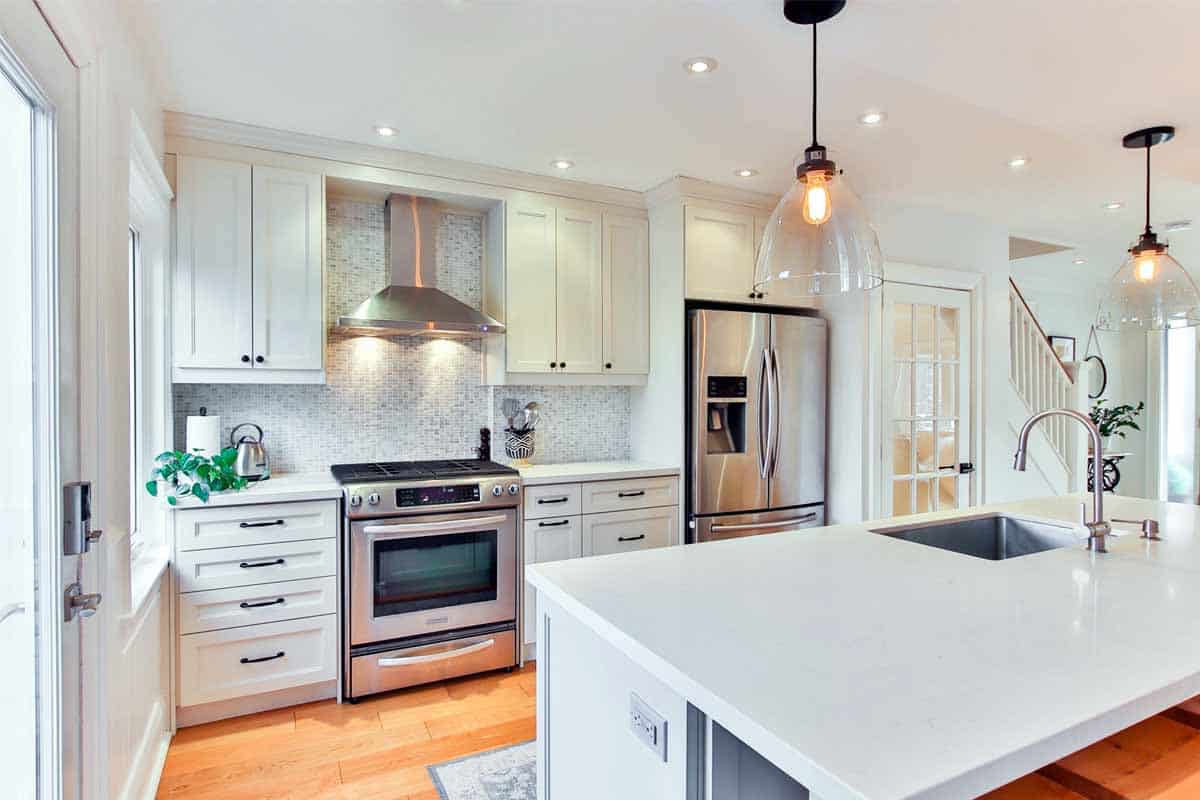
Kitchen lighting changes the way a kitchen feels during short winter days, enhancing the comfort and style of your home.
When the sun disappears before dinner, the wrong light can make the room feel cold, flat, and tiring.
A smart lighting plan supports cooking, gathering, and relaxation at the same time.
The best layouts use layered fixtures, balanced color temperature, and flexible controls that shift throughout the day.
That approach creates comfort without sacrificing visibility or style.
Modern homeowners often browse online collection pages to find the perfect kitchen lighting for their home, compare price ranges, apply filters, and sort options by finish before choosing fixtures.
A thoughtful plan for kitchen lighting helps homeowners avoid clutter while creating a kitchen that feels welcoming—the heart and central place of the home—from morning through late evening.
Explore more ideas for kitchen lighting that improve comfort, function, and daily use.
What Is the Best Lighting for a Kitchen?
The best kitchen lighting combines ambient light, task lighting, and accent light. Layering these types creates a flexible space that works for meal prep, dining, homework, and entertaining.
General lighting fills the entire room with even illumination. Recessed fixtures and track lights are common choices because they spread light across countertops, walkways, and islands.
Task lighting focuses on work zones. Undercabinet fixtures reduce shadows while chopping food or reading recipes. Pendant lights above islands also improve visibility while adding style.
Accent light adds depth and decor. Toe-kick fixtures, cabinet lighting, and glass cabinet displays help cast a softer glow during evening hours.
Why Human-Centric Lighting Matters in Winter
Human-Centric Lighting adjusts brightness and color temperature throughout the day. During winter, this strategy helps the kitchen feel more natural even after a 4:00 PM sunset.
Cooler LED light between 3500K and 4000K supports focus during cooking and cleaning. Warmer light around 2700K to 3000K creates a calmer mood for dining and conversation.
Dimmers also improve flexibility. A bright workspace can quickly shift into a comfortable social area without replacing fixtures or changing bulb type selections.
Popular Fixtures for Modern Kitchens
Pendant lighting remains one of the most requested choices for modern kitchen projects.
A pendant above an island creates focused task lighting while adding a strong visual style.
Pendant lights should hang about 30 to 36 inches above islands or peninsulas. This height keeps the pendant centered over the work area without blocking views across the room.
Many homeowners now prefer polished nickel because the finish works with modern and transitional decor.
Polished nickel reflects light softly and pairs well with glass shades, stone counters, and warm wood cabinetry.
A polished nickel pendant also blends easily with stainless steel appliances.
Some kitchens combine polished nickel fixtures with matte black hardware for contrast.
Track lights remain popular because they direct light exactly where it is needed. Adjustable track lights also help illuminate corners where recessed fixtures may create shadows.
Chandeliers are another strong option for dining zones connected to the kitchen. A chandelier in polished nickel can become the heart of the room while still delivering practical light.
Choosing the Right Finish and Style
The finish of a fixture changes the entire mood of the kitchen.
Warm brass creates a softer traditional look, while polished nickel supports a cleaner transitional style.
Many collection pages online show polished nickel options beside matte black and brushed finishes.
Comparing price, finish, glass detail, and fixture size helps narrow the selection before purchase.
Homeowners should also think about the surrounding decor.
A polished nickel pendant with clear glass can reflect more light, while frosted glass softens glare.
A balanced style uses different fixture types without overcrowding the space.
Too many pendant lights can make the kitchen feel busy instead of open.
What Lights Are Best for Kitchens?
Several fixture types work especially well in kitchens because they support both visibility and comfort.
Recessed Fixtures
Recessed fixtures provide a clean, low-profile appearance. These can lights distribute light evenly across the ceiling and work well in both small and large kitchens.
Poor placement, however, can create shadows on countertops. Using multiple light sources prevents dark spots around sinks and prep zones.
Pendant Lights Fixtures
Pendant fixtures remain one of the best choices for islands. A polished nickel pendant can provide direct task lighting while adding decorative value.
Large islands often use a pair or trio of pendant fixtures. The number depends on island length, ceiling height, and fixture width.
Undercabinet Task Lighting
Undercabinet fixtures improve visibility without adding clutter. They illuminate countertops directly and help reduce eye strain during food prep.
LED strips are popular because they use low energy and require fewer bulb replacements over time.
Track Lights
Track lights are useful in kitchens with unusual layouts. Adjustable heads allow homeowners to direct light toward islands, pantries, or dining zones.
What Is the Trend for Kitchen Lighting?
Current kitchen lighting trends focus on flexibility, layered illumination, and mixed materials. Many homeowners now want fixtures that feel decorative during the day and calming at night.
Polished nickel continues to grow in popularity because it works across multiple design styles. The finish reflects light gently without looking overly shiny.
Oversized pendant designs are also trending, especially above large islands. Homeowners often browse collection pages sorted from low price to high price to compare scale and finish combinations.
Smart dimmers and LED systems are another major trend. These systems allow the kitchen to transition naturally from bright morning light into warmer evening tones.
Some homeowners also add a small table lamp near breakfast seating for softer nighttime light. This approach creates a relaxed atmosphere without relying entirely on ceiling fixtures.
Common Kitchen Lighting Mistakes
Many kitchens have beautiful fixtures but poor functionality. The most common mistakes affect visibility, comfort, and balance.
Using Only One Ceiling Fixture
A single fixture rarely provides enough light for the entire kitchen. Layered lighting works better because each source supports a different purpose.
Installing Too Many Pendant Fixtures
Pendant lighting is effective, but too many pendant fixtures can overcrowd islands and interrupt sightlines across the room.
Ignoring Color Temperature
Cool white light supports work areas, while warmer tones fit dining zones better. Mixing the wrong temperatures can make the kitchen feel uncomfortable.
Forgetting About Shadows
Recessed fixtures positioned behind the cook often cast shadows onto countertops. Combining track lights, undercabinet fixtures, and pendant lighting helps reduce this problem.
Choosing Fixtures Only by Price
Low price options may not deliver the right light output or long-term efficiency. Comparing bulb type, finish quality, and fixture placement matters more than focusing only on price.
The U.S. Department of Energy explains how LED efficiency, color temperature, and fixture placement influence residential lighting performance. Learn more through this residential lighting resource.
Tips for Planning a Better Kitchen Layout
A practical lighting plan starts with the way the kitchen is used each day.
Consider these steps before buying fixtures:
- Measure the island width and the ceiling height
- Compare fixture size with the room scale
- Test warm and cool LED color temperatures
- Use dimmers for flexible control
- Mix recessed fixtures with pendant and accent light
- Review collection pages carefully before final purchase
Many online stores allow shoppers to use filters, sort by price, and compare finish details before placing an order. Some also provide email updates when a polished nickel collection returns to stock.
Homeowners often sign up with an email address to access seasonal sales, fixture guides, and installation tips. That extra access can help simplify the final selection process.
Final Thoughts
Good kitchen lighting balances style, visibility, comfort, and efficiency. The best layouts use layered fixtures, balanced color temperature, and thoughtful placement instead of relying on one overhead source.
Pendant fixtures, recessed lights, track lights, and undercabinet systems each serve a different role inside the kitchen.
Choosing the right combination helps the room stay functional during dark winter afternoons while still feeling warm and inviting at night.
Polished nickel remains a popular finish because it complements modern and traditional kitchens alike.
Whether homeowners prefer a bold pendant design or subtle recessed fixtures, the goal stays the same: create a kitchen that feels comfortable, practical, and visually balanced every day.