
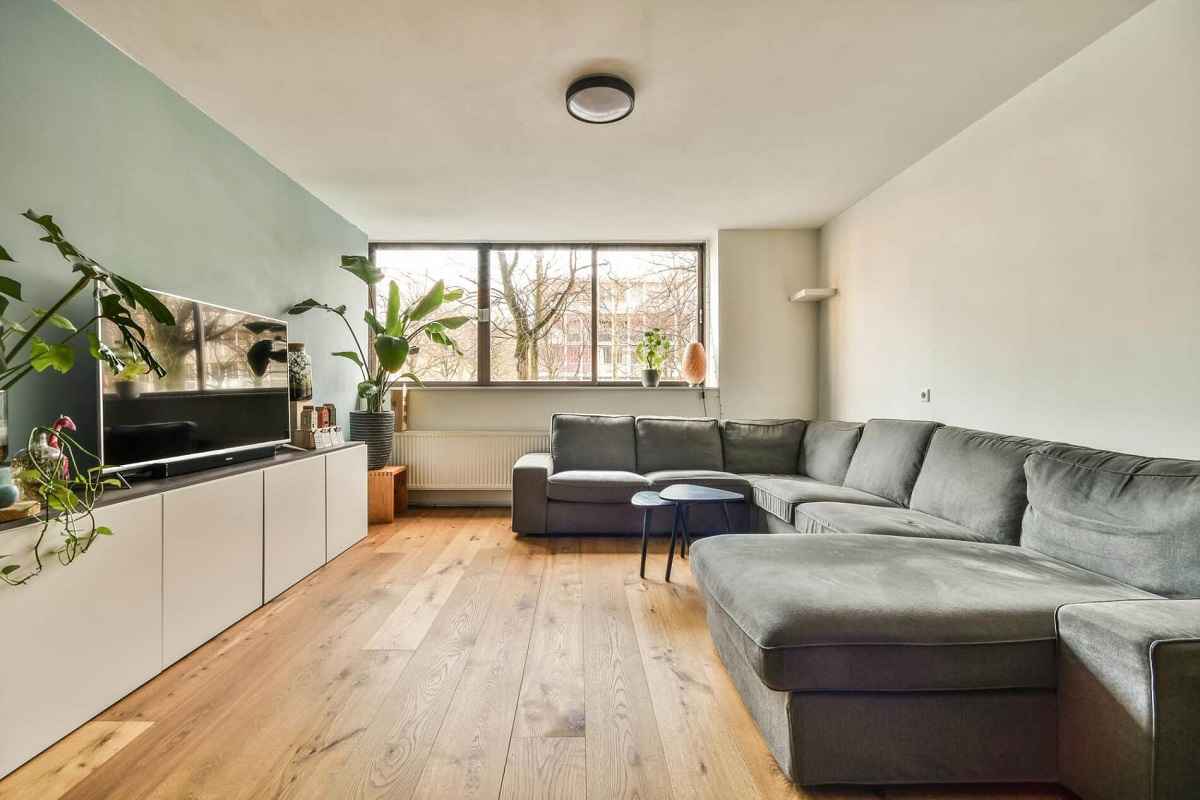
ADU construction in Redmond can add legal living space, support family needs, and make better use of your Redmond property without requiring a full move.
For many homeowners, accessory dwelling units are a practical way to create more room for aging parents, adult children, guests, a long-term tenant, or a private work area.
An ADU is one of the accessory dwelling units ADUs built on the same lot as the main home.
It usually includes a kitchen or cooking area, bathroom, sleeping area, and private entrance.
Some ADUs are detached backyard units.
Others are attached additions, garage conversions, basement apartments, junior ADUs, or living space built above a garage.
Anyvision Home Remodeling provides ADU construction in Redmond and specializes in building accessory dwelling units and custom ADUs in Redmond, WA, including detached ADUs, attached ADU remodeling, garage conversions, and home additions.
The company offers comprehensive services that include custom design, permit assistance, and full construction management to help projects comply with local building codes and zoning regulations, with in-house trades for framing, electrical, plumbing, roofing, and finish work.
That matters because ADU projects are not simple room upgrades.
They must meet zoning rules, building codes, utility requirements, safety standards, and inspection requirements before they can be used legally.
Why ADUs Matter for Redmond Homeowners
Redmond homeowners often need more usable space, but moving is not always the best option.
An ADU can help a property support changing family needs while keeping everyone close.
It can also create flexible long-term housing options, support affordable housing, and create extra income when designed and permitted correctly.
ADUs are complete living units, not just extra rooms.
That means the layout, entry, plumbing, electrical system, heating, ventilation, insulation, parking, privacy, and utility access all need to work together.
A well-planned ADU can support your lifestyle, help house family members, provide guest space, allow long-term rental flexibility, support aging in place, create a private office, or make better use of an existing lot.
In high-demand markets, ADUs can increase property value by 20–30%, often exceeding construction costs and creating immediate equity.
Many ADUs in Redmond can also produce an 8–12% annual cash-on-cash return.
Before starting design, homeowners should confirm what is allowed on their specific property.
Lot layout, setbacks, utility access, tree protection, stormwater rules, and inspection requirements can all affect the project.
Main Types of ADUs Redmond Homeowners Consider
The right ADU depends on the property, budget, layout, and long-term goal.
Each option has benefits and tradeoffs.
Detached ADUs
Detached ADUs are separate structures built away from the main home.
They are often placed in the backyard and usually offer the most privacy.
This option can work well for long-term rental use, guests, aging parents, or adult children.
Detached units often require more work than conversions because they need a foundation, framing, roof, siding, insulation, utilities, heating, cooling, and a full interior buildout.
They may also require more site preparation, trenching, drainage planning, and exterior access planning.
Attached ADUs
Attached ADUs connect to the main home and share at least one wall.
They can work well when the existing house has unused side space, an underused room, or a layout that allows a separate entrance.
Attached units may be more cost-effective than detached ADUs because part of the existing structure may already be in place.
However, privacy, sound control, fire separation, utility access, and entry design still need careful planning.
Garage Conversion ADUs
A garage conversion can turn unused parking or storage space into a legal living unit.
This is one of the most common ways to create an ADU without building a completely new structure from the ground up.
Garage conversions often become studios or one-bedroom units.
The work may include insulation, drywall, plumbing, electrical upgrades, windows, flooring, heating, ventilation, bathroom construction, and kitchen installation.
The existing slab, wall framing, ceiling height, garage door opening, and moisture conditions should be checked early.
Basement and Junior ADUs
A basement ADU can be a smart use of existing square footage if the space meets safety and code requirements.
The basement needs proper ceiling height, dry walls, safe exits, ventilation, lighting, and room for plumbing.
A junior ADU is usually smaller and built within the existing home’s footprint.
It may work well when a homeowner wants a compact living area without building a large addition.
Both options need careful planning for privacy, moisture control, emergency access, and daily comfort.
Above-Garage ADUs
An above-garage ADU can add living space while preserving parking or storage below.
This option may work well when the garage structure is suitable or when a new garage is part of the plan.
Because this type of ADU involves structural loads, stairs, utilities, roof design, and fire separation, it should be reviewed carefully before design is finalized.
ADU Regulations and Local Requirements
ADU regulations can affect size, height, placement, parking, utilities, setbacks, permits, inspections, and other specific requirements tied to local rules.
Redmond homeowners should confirm current requirements before spending money on final drawings or construction.
Important local requirements may involve lot size, setbacks, building height, lot coverage, tree protection, stormwater, utility access, fire access, parking location, structure type, existing home layout, sewer or septic approval, and short-term rental rules.
Recent statewide housing rule updates have modernized local development regulations to maximize flexibility for homeowners. Up to two ADUs per residential lot are generally allowed, subject to current local rules.
Common zoning limits include a maximum size cap and the need for building and land use permits.
An ADU can be up to 1,000 square feet, or up to 40% of the total square footage of the primary unit, whichever is larger, up to a maximum of 1,500 square feet.
No additional off-street parking is required if the property is within one-quarter mile of a major transit stop. Properties must be connected to public sewers, and septic systems require health code approval where applicable.
Impact fees are typically limited to 50% of the fees charged for the principal unit under Washington law. Owner-occupancy requirements can vary by local ordinance in Redmond.
Detached ADUs, attached ADUs, garage conversions, basement units, and above-garage units can each trigger different review details.
Because rules can change, the safest first step is to review the property before finalizing the design.
Anyvision Home Remodeling helps Redmond homeowners with design, permit coordination, and full ADU construction, which can make the process easier to manage from the first plan to the final inspection.
Step 1: Start With a Site Review
A strong ADU project starts with a clear site review.
During the initial consultation, the homeowner and contractor study the property before choosing finishes, floor plans, or roof styles.
The site review should answer simple but important questions.
Where can the ADU go?
Is the lot suitable?
How close are the property lines?
Are there protected trees?
Where are the water, sewer, and power lines?
Is there enough room for construction access?
Will drainage need improvement?
Can the ADU have a private entrance?
Will the design work with the main home?
Site conditions can affect both budget and timeline.
A flat lot with easy access may be simpler.
A tight lot with slope, trees, drainage concerns, or long utility runs may need more planning, especially in areas like Education Hill, where site conditions can affect footings.
This early step helps avoid costly surprises later.
Step 2: Define the Purpose of the Living Space
Before the design phase begins, the homeowner should know how the ADU will be used.
A unit for aging parents may need fewer steps, wider doorways, strong lighting, and an easy bathroom layout.
A rental unit may need privacy, durable materials, sound control, storage, and separate outdoor access.
A family unit may need a more flexible floor plan.
Common goals include housing family members, creating long-term rental income, adding guest space, building a private office, supporting aging in place, or adding flexible living space.
The purpose affects almost every design choice.
A rental ADU may need stronger sound control and durable finishes.
A family unit may need easier access to the main house.
A detached unit may need more privacy planning and separate outdoor lighting.
Step 3: Plan the Design Phase
The design phase turns ideas into working plans with our design team.
Good plans show the structure, layout, utilities, safety details, and code-related requirements, and our team works closely with homeowners to guide planning from the start.
They also help the permit review process move more smoothly.
A complete design package may include a site plan, floor plan, exterior elevations, foundation plan, framing plan, roof plan, electrical layout, plumbing layout, heating and cooling plan, energy code notes, structural details, and stormwater notes if needed.
Small ADUs need efficient layouts, so tailored plans maximize space and functionality while following local building codes.
Every wall, window, cabinet, closet, and door swing matters.
Anyvision includes free 3D design on remodeling projects, which can help homeowners see the layout before construction begins.
This is helpful for ADUs because small spaces need careful planning to feel open, practical, and comfortable.
Step 4: Build a Realistic Budget
ADU costs vary based on the type of unit, size, finishes, site conditions, utility work, and permit needs.
A garage conversion usually costs less than a new detached structure.
A detached backyard ADU often costs more because it needs a foundation, roof, siding, utility trenching, and a complete building envelope.
Budget items may include design, engineering, permit fees, site preparation, foundation, framing, roofing, windows, doors, plumbing, electrical, HVAC, insulation, drywall, flooring, cabinets, bathroom fixtures, kitchen finishes, paint, utility connections, and inspection-related corrections.
High-quality materials are often more useful than luxury finishes, especially for rental ADUs.
A family ADU may need comfort, storage, accessibility, easy maintenance, and high-quality finishes that hold up well to daily use more than expensive surfaces.
The best budget is not just the lowest price.
It should include the real work needed to build the ADU safely and correctly for lasting quality.
Step 5: Understand Permits and Approvals
The approval process in Redmond typically takes 3–4 months from project start to permit issuance, depending on application completeness and local review, and usually includes permit applications, plan review, correction responses, and final permit approval.
Common review areas include zoning, building code, structural safety, fire safety, plumbing, electrical, mechanical systems, utilities, stormwater, and access.
If the city asks for corrections, that is normal.
Corrections may request clearer drawings, added calculations, updated utility notes, or changes needed to meet local requirements.
Builders often prepare applications and coordinate with local authorities throughout permitting.
Working with a dedicated project manager can help keep communication organized.
Anyvision’s in-house crew model can also help reduce confusion during design, permitting, construction, and inspections.
Step 6: Prepare the Site Before Construction Begins
Once permits are approved, construction begins with site preparation.
This may include fencing, layout marking, demolition, grading, trenching, or foundation preparation.
For a garage conversion, this may mean removing old finishes, checking the slab, and opening walls to inspect wiring or framing.
For a detached ADU, this may mean preparing the yard, protecting trees, planning drainage, and setting the foundation.
This stage may reveal hidden issues, such as weak framing, old wiring, poor drainage, moisture damage, uneven slabs, utility conflicts, or limited equipment access.
Any structural, wiring, drainage, or moisture problems should be corrected before walls are closed or new work is covered.
That helps protect safety, durability, and inspection approval.
Step 7: Manage Construction in the Right Order
ADU construction follows a clear sequence.
Construction typically takes 4–6 months after permits are issued.
The order can vary by project, but most builds include site preparation, foundation or slab work, framing, roof installation, windows and exterior doors, rough plumbing, rough electrical, HVAC installation, insulation, drywall, interior finishes, cabinets, counters, bathroom fixtures, flooring, paint, trim, utility connections, and final inspection.
Inspections happen at key points, and quality craftsmanship matters throughout each phase.
Work should not be covered before required inspections are complete.
For example, framing, plumbing, electrical, and insulation often need approval before drywall is installed, which requires precision in execution.
This is one reason it helps to work with a contractor that can oversee scheduling and maintain quality from start to finish.
Step 8: Plan for Long-Term Use
Many homeowners build ADUs for long-term flexibility.
Some use the space for family.
Others use it to generate rental income.
Some want a private office or guest suite now and rental potential later.
Before renting an ADU, homeowners should review local rules, insurance, taxes, utilities, and maintenance responsibilities.
Short-term rentals may have different requirements than long-term housing.
In Redmond, ADUs may generate roughly $1,800 to $3,500 per month, depending on size, finishes, and location.
An ADU should be planned as a long-term structure, not a temporary add-on.
That means safe systems, durable materials, quality construction, and clear maintenance access matter.
How to Compare ADU Contractors in Redmond
A strong ADU contractor should understand more than basic construction, and a skilled team makes that possible.
ADUs require planning, design, permits, utilities, code compliance, inspections, and finish work.
When comparing ADU contractors in Redmond, ask about similar ADU projects, permit assistance, timeline expectations, construction management, local regulations, material choices, utility planning, inspection scheduling, change orders, warranty details, one point of contact, and precision.
Anyvision Home Remodeling is licensed, bonded, and insured in Washington under WA Lic #ANYVIHR768KB.
The company serves Redmond and nearby areas with ADU construction, garage conversions, room additions, new construction, kitchen remodeling, bathroom remodeling, general contracting, electrical, plumbing, framing, roofing, windows, decks, and 3D design.
Their in-house crew model is especially important for ADU projects because the company’s team provides coordinated services across trades, helping each phase stay in the right order.
Final Thoughts
Building an ADU in Redmond is a serious home improvement project, but it can be worth the effort when the planning is done correctly.
The best results come from reviewing the property first, confirming local requirements, setting a realistic budget, and following the permit and inspection process step by step.
Whether the goal is family housing, rental flexibility, guest space, or a private work area, the ADU should be built for safety, comfort, durability, and daily use.
Planning ADU construction in Redmond?
Anyvision Home Remodeling handles design, permits, inspections, and full ADU builds with one licensed in-house crew.
Call (425) 515-5796 or request a free estimate to start your Redmond ADU project.