
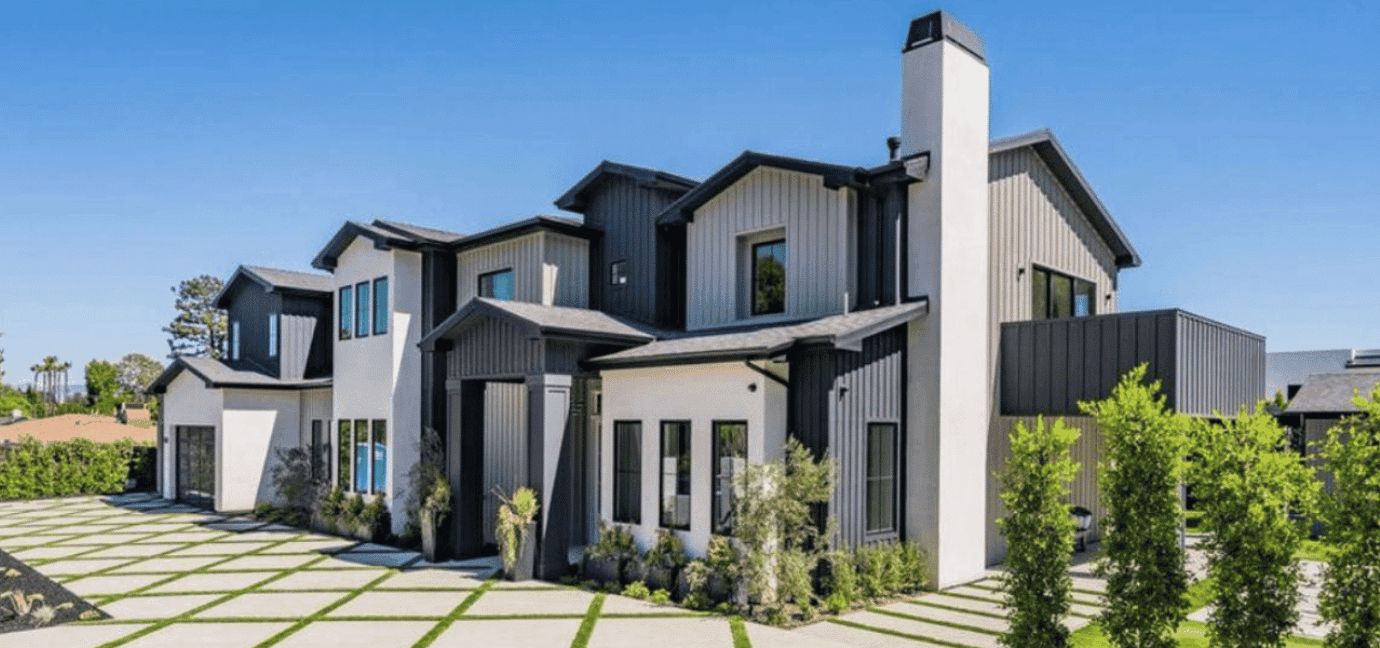
Seattle DADU condoization is redefining how homeowners unlock value from their properties.
An accessory dwelling unit (ADU), also known as a detached accessory dwelling unit, is a small, independent residential structure located on the same lot as a primary home.
These units come in various types, such as backyard cottages or carriage houses, and recent regulatory changes now allow them to be subdivided into separate legal lots, increasing their value and flexibility.
The housing market continues to tighten, and land is limited, which pushes property owners to think differently about housing and investment.
Instead of relying solely on rental income, many Seattle homeowners now seek to sell a backyard cottage to recover construction costs faster, using DADUs as an additional source of income or value through condoization or property conversion.
The 2025 updates supported by the Washington State Legislature created a true game changer by allowing a detached accessory dwelling unit to be converted into a unit that can be sold separately.
If you are planning construction, investing in housing, or exploring new ways to create income, this step-by-step guide explains how to unlock the full potential of your land.
This guide covers zoning, permits, legal steps, cost, financing, and potential ROI so you can make informed decisions about Seattle DADU condoization.
What Is Seattle DADU Condoization?
Definition and Legal Framework
Seattle DADU condoization allows property owners to convert a detached accessory dwelling unit into a condominium unit with its own title.
This means a detached accessory dwelling can become a fully independent property even though it sits on the same lot as the main house. The DADU can be separated from the primary residence, allowing each to be treated as a standalone property.
Ownership is divided through legal documents, which ensure compliance with Washington State land use rules.
In many cases, the main house and the new unit are owned by different owners, creating a shared ownership structure between multiple parties.
This structure allows multiple units to exist on one property while maintaining legal separation.
Why It Matters in 2026
Seattle homeowners now have more control over their property and housing strategy.
Accessory dwelling units (ADUs) are no longer limited to rental income only.
Instead, a detached accessory dwelling unit can be sold separately, which increases property value and creates new investment opportunities. Regulatory improvements and strong market demand have led to increased property values, making DADU construction a smart investment for homeowners seeking property appreciation and enhanced asset value.
Key advantages include:
- Ability to sell a unit for immediate income
- Creation of a fully independent property
- More flexibility for long-term investment planning
This approach supports housing demand while giving property owners more financial options.
What Changed With HB 1337 in 2025?
Key Legislative Updates
The city council and Washington State updated policies to support higher housing density and better land use.
Accessory dwelling units and accessory dwelling units adus can now be subdivided or condoized more easily.
Many Seattle lots are too small for traditional subdivision, so condoization became the primary solution.
As of June 30, 2025, property owners can legally create multiple units with separate ownership even on the same lot.
Impact on Homeowners
For most people, the biggest benefit is flexibility.
Instead of waiting years to earn rental income, owners can sell a detached accessory dwelling unit shortly after construction.
This improves cash flow, increases equity, and enhances property value.
It also allows financing options where the primary home and the new unit can be refinanced separately.
Before vs After 2025
| Scenario | Before | After |
|---|---|---|
| Use of ADU | Rent only | Rent or sell |
| Ownership | Single property | Multiple ownership units |
| Financing | Limited | Flexible |
A detached accessory dwelling unit that costs $300,000 to build may sell for $400,000, depending on the neighborhood.
That difference creates immediate value and increases overall property value.
How Seattle DADU Condoization Works Step-by-Step
Step 1: Build or Convert a DADU
The process begins with building a detached accessory dwelling or converting an existing house structure.
The design must meet zoning and code requirements set by the city.
Many homeowners use pre-approved plans to simplify planning and speed up the permitting process.
Planning also includes utilities, parking, and access to ensure each unit functions independently.
Step 2: Survey and Legal Documentation
A survey defines the boundaries of each unit and shared land.
Legal professionals create a condominium declaration that defines ownership, access, and responsibilities.
This ensures compliance with legal and land use requirements.
Step 3: File the Condominium Map
The condominium plat is submitted to King County for approval.
This document defines the layout of multiple units and shared areas.
It establishes the structure needed for ownership separation.
Step 4: Create Separate Ownership Units
Each unit receives its own title, which allows it to be sold separately.
The detached accessory dwelling becomes a fully independent property with its own title.
This structure allows different owners to share the same lot while maintaining clear ownership.
Step 5: Sell or Hold
Property owners can sell the new unit or keep it for rental income.
Some choose to sell the backyard cottage to recover construction costs.
Others keep it to generate ongoing income or provide living space for an adult child.
Typical timeline:
- 3 to 9 months after construction
- Depends on permits, planning, and approvals
Parking Requirements and Subdivision Rules
Parking requirements for accessory dwelling units in Seattle have become much more flexible in recent years, making it easier for property owners to maximize the value of their land.
Thanks to updates from the city council, many DADUs no longer require additional parking spaces, especially in areas well-served by public transit or with walkable amenities.
This shift allows homeowners to create multiple units on a single family lot without the burden of providing extra parking, which can be a high cost and space saver.
The new subdivision rules are a game-changer for those looking to sell a detached accessory dwelling separately from the main house.
Property owners can now transfer ownership of a DADU to an adult child, sell it to a third party, or use it as a source of rental income, all while increasing the overall property value.
These changes are designed to boost housing supply in Seattle and give homeowners more options for generating income and building equity.
It’s important to note that parking requirements and subdivision rules may vary depending on the zoning and specific location of your property.
In many cases, no additional parking is required for a new DADU, but always check the latest city guidelines to ensure compliance.
By taking advantage of these updated rules, homeowners can create additional living space, increase their property’s value, and enjoy greater flexibility in how they use and sell their units.
Working with Builders and Architects
Partnering with experienced builders and architects is essential for a successful detached accessory dwelling unit project in Seattle.
These professionals understand the city’s zoning laws, code requirements, and the nuances of the permitting process, ensuring your DADU meets all legal standards and maximizes your property’s potential.
A knowledgeable builder or architect can provide pre-approved plans, which streamline the planning and approval stages, saving you time and reducing uncertainty.
They’ll guide you through each step, from initial design to final construction, helping you create a fully independent property with its own title.
This expertise is especially valuable in King County, where demand for accessory dwelling units is high, and the housing market is competitive.
With the right planning and professional support, property owners can increase the value of their existing house, generate additional income through rent or sale, and create a flexible living arrangement for family or tenants.
Whether your goal is to sell the DADU for immediate ROI or hold it as a long-term investment, working with the right team ensures your project is a success and your property reaches its full potential.
Costs vs ROI: Is It Worth It?
Typical Costs
The total cost includes several components.
- Surveying: $5,000 to $15,000
- Legal documentation: $10,000 to $25,000
- Permits and filing fees
Construction costs for a detached accessory dwelling unit usually range from $250,000 to $400,000.
Costs vary depending on lot size, design, and neighborhood conditions.
Potential Returns
The potential ROI depends on market conditions and property value.
A finished unit can be sold for a strong price in the Seattle housing market.
Rental income for accessory dwelling units typically ranges from $2,000 to $3,000 per month.
Selling often creates faster income compared to renting.
Condoization vs Renting
| Strategy | Benefit | Trade-Off |
|---|---|---|
| Rent | Long-term income | Slower return |
| Sell | Immediate income | No recurring rent |
Break-Even Analysis
Break-even depends on construction costs and final sale price.
Most people recover their investment faster by selling the unit.
The potential ROI improves in high-demand neighborhoods with strong buyer interest.
Zoning, Permits, and Legal Considerations
Seattle Zoning Rules
Seattle zoning allows up to two accessory dwelling units per lot in Neighborhood Residential zones.
This can include one attached accessory dwelling unit and one detached accessory dwelling.
Key rules include:
- Minimum lot size of around 3,200 square feet
- Unit size limits near 1,000 square feet
- Flexible parking requirements in many areas
Legal Requirements
Property owners must complete:
- Condominium declaration
- Shared utilities agreements
- Insurance and ownership documents
These steps ensure compliance with city and state rules.
Common Pitfalls
Common issues include:
- Utility separation problems
- Financing challenges
- Errors in legal documents
Proper planning helps avoid delays and protects property value.
Best Neighborhoods for Condoization
High-Demand Areas
Some neighborhoods in Seattle show strong demand for smaller housing options.
- Ballard
- Capitol Hill
- West Seattle
These areas attract buyers looking for affordable entry points into the housing market.
What Makes a Property Ideal
Ideal properties include:
- Larger lot size
- Clear access for a separate structure
- Strong housing demand
Urban neighborhoods perform better due to limited land and high buyer demand.
Who Should Consider This Strategy?
Ideal Homeowners
This strategy works well for:
- Seattle homeowners with high equity
- Owners planning retirement income
- Families creating housing for an adult child
Investor Profiles
Common investors include:
- Small-scale developers
- Property owners seeking income opportunities
- Buyers focused on increasing property value
When It May Not Work
Some properties face limitations.
- Small or irregular lot size
- Complex legal ownership
- Limited access for construction
Risks and Downsides You Should Know
Legal and Financing Risks
Financing for condominium units can vary by lender.
Buyers may face stricter loan requirements.
Legal complexity increases with shared ownership.
Market Risks
Housing demand can change based on economic conditions.
Prices and rental income may vary depending on neighborhood trends.
Ownership Trade-Offs
Shared land requires shared decisions.
Owners must coordinate maintenance and access.
Privacy may be reduced compared to a single property setup.
Future of DADU Condoization (2026 and Beyond)
Market Trends
More homeowners are using this approach as a powerful tool to create housing and generate income.
Policy changes continue to support density and flexible housing models.
Long-Term Outlook
This strategy is expected to expand beyond Seattle as cities look for ways to increase housing supply.
It offers long-term flexibility for property owners and investors.
FAQ
Can you legally sell a DADU separately in Seattle?
Yes. A detached accessory dwelling unit can be condoized and sold separately with its own title.
How much does it cost?
Costs typically range from $15,000 to $40,000, excluding construction costs.
Is condoization better than renting?
Selling provides immediate income, while renting offers long-term income.
Do you need an HOA?
Many setups operate with minimal agreements instead of a full HOA.
How long does the process take?
Most projects take 3 to 9 months after construction is complete.
Conclusion
Seattle DADU condoization is a powerful tool for increasing property value and creating flexible housing options.
The 2025 updates made it easier for property owners to convert a backyard cottage into a unit that can be sold separately.
This strategy helps recover construction costs faster and provides new investment opportunities.
Success depends on planning, zoning, permits, and market conditions.
With the right planning, homeowners can create income, increase property value, and make better use of their land.