
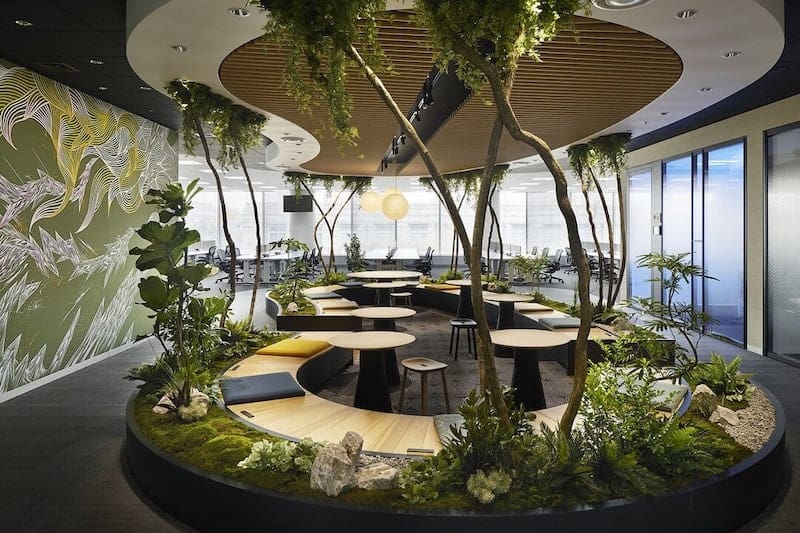
Biophilic design is reshaping homes across the Pacific Northwest as homeowners search for ways to feel closer to the natural world during long stretches of cloudy weather.
Seattle’s gray skies, damp winters, and dense urban settings often leave people craving sunlight, greenery, fresh airflow, and a stronger connection with nature inside the built environment.
Many homeowners now want interiors that feel restorative instead of cold and enclosed.
They want spaces filled with natural light, natural materials, water features, green walls, and organic materials that reflect the forests, rivers, and mountains surrounding the region.
As of 2026, biophilic design is evolving from decorative accents to immersive ecosystems that support mental health, physical health, and overall well-being.
Scientific research shows that biophilic design provides broader human benefits, including stress reduction, cognitive enhancement, and healing, making built environments healthier and more restorative.
This shift is happening because humans evolved alongside forests, rivers, changing weather, and rich sensory information.
Modern society and city life often separate people from the natural environment, especially in dense urban settings.
Biophilic design seeks to restore that human connection through architectural design that incorporates nature into the built environment.
Homeowners exploring biophilic design are increasingly interested in slate walls, potted plants, natural ventilation, and floor-to-ceiling glass that bring the Cascade forest indoors while improving air quality and reducing stress.
What Is Biophilic Design?
Biophilic design is an architectural and interior design approach that incorporates natural elements into the built environment to strengthen the connection with nature. Research shows that this connection provides significant psychological benefits, including enhanced emotional well-being, reduced stress, and improved mental health outcomes.
The concept is rooted in the idea that humans evolved in close contact with the natural world and still respond positively to environmental features that resemble forests, water, daylight, and living systems.
The term “biophilia” was introduced by psychoanalyst Erich Fromm in 1973 as a description of humanity’s love of life and living systems.
Wilson later expanded the idea in his 1984 book Biophilia, arguing that human evolution created an innate desire to connect with natural systems and natural landscapes.
Today, biophilic design principles are used in homes, offices, hospitals, schools, and green architecture projects worldwide.
Interior designers and architects use natural features, natural patterns, natural shapes, and visual connection strategies to create spaces that improve human health and human wellbeing.
The Three Types of Biophilic Design
Biophilic design can be organized into three categories:
Nature in the Space.
Natural Analogues.
Nature of the Space
Nature in the Space focuses on direct exposure to natural elements like natural light, water features, potted plants, green walls, airflow, and natural ventilation.
Natural Analogues use organic materials, natural geometries, naturalistic shapes, and natural forms that mimic natural environments.
Nature of the Space emphasizes spatial hierarchy similar to outdoor landscapes, including refuge, prospect, and movement through rooms.
These categories help designers incorporate nature into the built environment without making interiors feel artificial.
Why Humans Are Attracted to Nature
Humans are attracted to nature because human evolution happened outdoors for thousands of years.
The brain developed around natural processes, environmental features, changing weather, and access to resources like water and sunlight.
Research suggests that connection with nature can lower blood pressure, reduce stress, improve mental health, and support physical health.
Exposure to natural light and natural systems also supports circadian rhythm regulation, sleep quality, and emotional stability.
The human nature connection remains powerful even in urban environments where many people spend most of their lives indoors.
That is why people often feel calmer near forests, rivers, gardens, and green spaces.
Health Benefits Linked to Nature
Biophilic design has several documented health benefits:
- Improve human health
- Reduce stress
- Support mental health
- Enhance well-being
- Improve air quality
- Increase productivity
- Encourage stress reduction
- Support physical health
- Lower blood pressure
Research indicates that exposure to nature can lower cortisol levels, pulse rates, and anxiety.
A 2024 systematic review found that biophilic design in healthcare settings improved patient recovery times and reduced anxiety among caregivers and patients.
What Are the 7 Principles of Biophilia?
The 7 principles often discussed within biophilic design principles focus on strengthening the human connection to the natural environment through intentional environmental features.
1. Environmental Features
Environmental features include water features, natural light, potted plants, organic materials, and airflow.
These elements create a direct visual connection with the natural world.
2. Natural Shapes and Forms
Natural shapes, organic forms, and naturalistic shapes help mimic natural environments.
Curved furniture, flowing pathways, and biomorphic patterns create a softer built environment.
3. Natural Patterns and Processes
Natural patterns and natural processes create dynamic interiors through shifting light, shadow, sound, and texture.
Non-rhythmic sensory stimuli like rustling leaves or moving reflections provide subtle stimulation.
4. Light and Space
Natural light remains one of the most important biophilic design elements.
Floor-to-ceiling windows and circadian rhythm lighting systems help regulate human health and emotional well-being.
5. Place-Based Relationships
Using local materials like Pacific Northwest slate or reclaimed cedar creates a distinct sense of regional identity and strengthens the connection with nature.
6. Human-Nature Relationships
Biophilic design principles encourage human connection to living systems through gardens, green walls, water features, and natural ventilation.
7. Evolved Human Responses
Humans evolved to prefer environments with views, shelter, movement, and layered natural features.
Spatial hierarchy, similar to outdoor settings, supports comfort and security.
Bringing the Cascade Forest Indoors
Seattle homeowners are increasingly choosing materials and layouts that reflect the surrounding natural landscapes.
Instead of creating highly polished interiors, they are using organic materials, natural materials, and natural shapes that feel grounded and calming.
The goal is not to recreate a cabin.
The goal is to create spaces that strengthen connection with nature while still functioning well in modern homes.
Natural Slate and Stone Features
Natural slate reflects the mountain cliffs, riverbeds, and wet stone trails common throughout the Pacific Northwest.
Because of its minimal processing and textured appearance, slate creates a strong material connection to the natural world.
Slate works well in:
| Space | Benefit |
|---|---|
| Fireplaces | Adds warmth and texture |
| Bathrooms | Handles moisture well |
| Entryways | Durable during rainy seasons |
| Kitchens | Creates a visual connection to nature |
| Accent walls | Adds depth without clutter |
Natural materials like slate also pair effectively with wood beams, warm lighting, and green walls.
Moss Walls and Green Walls
Green walls have become one of the most recognizable biophilic features in Seattle interiors.
Moss walls, preserved greenery, and vertical gardens create a visual connection to forests without requiring large outdoor spaces.
Green walls also support improving air quality and acoustic comfort.
In smaller urban environments, green walls help soften concrete-heavy interiors and create biophilic spaces that feel calmer and healthier.
Benefits of green walls include:
- Reduce stress
- Improve air quality
- Strengthen connection with nature
- Add rich sensory information
- Support mental health
- Introduce living systems indoors
Many biophilic features work best when used selectively.
One large moss wall often creates a stronger impact than placing greenery in every corner.
The Importance of Natural Light in Seattle Homes
Natural light is one of the most valuable biophilic design elements in the Pacific Northwest.
Long winters and cloudy weather make daylight exposure especially important for mental health and human well-being.
Floor-to-ceiling glass, skylights, clerestory windows, and open layouts help distribute natural light deeper into the built environment.
Circadian Rhythm Lighting
Circadian Rhythm Lighting systems are becoming more common in biophilic buildings.
These systems mimic natural environments by changing brightness and warmth throughout the day.
This deliberate and positive reference to daylight patterns supports sleep cycles, physical health, and emotional well-being.
Circadian lighting can:
Support human health 2.
Reduce stress 3.
Improve focus 4.
Enhance mood 5.
Support mental health
Natural light also lowers energy consumption by reducing the need for artificial lighting during daytime hours.
Water Features and Sensory Design
Water features remain a central part of biophilic design because moving water creates calming non-rhythmic sensory stimuli that mimic natural processes.
Indoor fountains, wall-mounted water features, and courtyard streams create an auditory and visual connection with nature.
Why Water Features Matter
Water features can:
- Reduce stress
- Lower blood pressure
- Create rich sensory information
- Improve human wellbeing
- Support mental health
- Strengthen human connection to the natural environment
The sound of water also masks traffic noise common in urban environments.
The Jewel at Changi Airport in Singapore demonstrates how large-scale water features can transform the built environment.
The project includes the world’s largest indoor waterfall surrounded by thousands of plants.
fileciteturn0file1L3-L3
Natural Ventilation and Air Quality
Seattle homes often remain closed during colder months, which can reduce air quality indoors.
Biophilic design encourages natural ventilation strategies that improve airflow while strengthening the connection with nature.
Cross ventilation, operable windows, screened openings, and airflow pathways help create healthier interiors.
Improving air quality has become a major focus within green architecture because poor indoor air conditions can negatively affect human and mental health.
Features That Improve Air Quality
| Feature | Purpose |
| Operable windows | Increase fresh airflow |
| Potted plants | Support air quality |
| Natural materials | Reduce chemical exposure |
| Green walls | Improve indoor freshness |
| Ventilation systems | Support healthy airflow |
Biophilic buildings increasingly prioritize improving air quality alongside visual aesthetics.
Organic Materials and Material Connection
Material connection is a major component of biophilic design principles.
Homeowners are moving away from synthetic finishes and choosing organic materials with visible texture and natural variation.
Popular organic materials include:
- Slate
- Reclaimed wood
- Linen
- Clay
- Stone
- Cork
- Bamboo
- Wool
Natural materials with minimal processing often feel warmer and more authentic than highly manufactured surfaces.
Why Material Connection Matters
Humans instinctively respond to texture, warmth, and variation found in the natural world.
Organic forms and natural geometries create interiors that feel less rigid and mechanical.
Natural analogues help mimic natural environments without directly copying forests or landscapes.
Architectural Design That Mimics Natural Environments
Biophilic design seeks to create spaces that resemble the comfort and complexity of outdoor settings.
Architectural design strategies often include:
- Curved pathways
- Layered lighting
- Open sightlines
- Refuge spaces
- Organic forms
- Natural patterns
- Visual connection to greenery
These approaches mimic natural environments while maintaining functionality within the built environment.
Terrapin Bright Green, a consulting firm known for research into biophilic principles, describes many of these strategies as methods for restoring the human connection to living systems.
Biomimicry and Natural Geometries
Biomimicry in design uses natural processes and natural geometries as inspiration for solving structural and spatial challenges.
Examples include:
- Honeycomb-inspired layouts
- Leaf-shaped ceiling forms
- Flowing pathways
- Branch-like structures
- Fractal-inspired patterns
These natural patterns help interiors feel dynamic instead of static.
Real-World Examples of Biophilic Buildings
Several global projects demonstrate how biophilic design principles can transform the built environment.
Fallingwater
Fallingwater, designed by Frank Lloyd Wright, is one of the most recognized examples of biophilic architecture.
The home integrates directly with the surrounding waterfall and stream to strengthen the connection with nature.
Khoo Teck Puat Hospital
Khoo Teck Puat Hospital in Singapore uses greenery, water features, and biodiversity-focused landscaping to support healing and improve human wellbeing.
Bosco Verticale
Bosco Verticale in Milan incorporates thousands of plants across residential towers.
The project improves air quality while creating habitat for wildlife in dense urban environments.
These projects show how integrating nature into the built environment can support both sustainability and human health.
Case Study: Biophilic Design in the PNW
The Pacific Northwest is renowned for its breathtaking natural landscapes, from dense evergreen forests to rugged coastlines and mountain vistas.
This abundance of natural resources and scenic beauty has inspired a regional approach to biophilic design that deeply values the integration of the natural world into the built environment.
A standout example is the Amazon Spheres in Seattle, Washington. These striking glass domes serve as a living laboratory for biophilic design, housing more than 40,000 plants from over 400 species.
The Spheres are designed to immerse building occupants in a lush, rainforest-like environment, using natural elements to foster a strong connection with nature even in the heart of the city.
Natural light floods the interior through the geometric glass panels, supporting both plant life and human well-being. The use of natural materials such as wood and stone, along with organic forms and natural patterns, creates a tactile and visual link to the surrounding natural landscapes.
Green walls and vertical gardens bring living systems indoors, while natural ventilation strategies ensure fresh air circulates throughout the space, enhancing air quality and comfort.
The Amazon Spheres exemplify how biophilic design elements—like green walls, natural ventilation, and abundant daylight—can create spaces that support both physical health and mental health.
Employees and visitors report a distinct sense of well-being, reduced stress, and increased creativity, all linked to their daily exposure to this carefully curated natural environment.
Beyond the Spheres, the PNW is home to many projects that embrace biophilic design principles.
From office buildings with expansive windows framing mountain views, to homes that use local slate and reclaimed wood, to public spaces featuring green walls and natural ventilation, the region demonstrates how integrating natural elements and patterns can create spaces that nurture human health and well-being.
The Pacific Northwest’s commitment to biophilic design continues to set a standard for how urban environments can harmonize with the natural world.
Sustainability and the Future of Biophilic Design
Biophilic design supports sustainability by helping buildings function more like healthy ecosystem systems.
Environmental features like green walls, natural ventilation, water features, and daylighting can reduce energy consumption and support environmental resilience.
Research also suggests that incorporating natural elements into urban planning can help cities reduce crime, increase productivity, and adapt to climate pressures.
Urban Environments Need More Nature
Urban environments often limit connection with nature due to density, traffic, noise, and limited green spaces.
Biophilic design helps restore human connection within the built environment by introducing:
- Natural light
- Water features
- Green walls
- Organic materials
- Natural systems
- Visual connection to landscapes
Frederick Law Olmsted argued as early as 1865 that public parks could improve human health and reduce stress in crowded cities.
Today, the International Living Future Institute and similar organizations continue encouraging green architecture and sustainable building practices that strengthen the connection with nature.
What Are the Disadvantages of Biophilic Design?
While biophilic design offers many health benefits, there are also challenges homeowners should consider.
Maintenance Requirements
Living walls, potted plants, and water features require maintenance.
Poor upkeep can affect air quality and damage the built environment.
Cost Considerations
Natural materials, large windows, and custom green walls may increase remodeling costs.
Moisture Management
Seattle’s damp climate means homeowners must carefully manage moisture when incorporating nature indoors.
Lighting Challenges
Homes with limited natural light may need advanced lighting systems to fully support biophilic principles.
Overdesign Risks
Too many biophilic features can make interiors feel cluttered instead of calming.
The best biophilic spaces balance functionality, comfort, and environmental features without overwhelming occupants.
Designing Seattle Homes for Well Being
Seattle homeowners are increasingly searching for ways to strengthen their connection with nature inside their homes because the built environment directly affects emotional and physical health.
Biophilic design continues gaining attention because it combines natural elements, natural materials, natural patterns, water features, green walls, and natural ventilation into environments that feel restorative.
The approach goes beyond aesthetics.
It recognizes that humans evolved alongside forests, rivers, weather systems, and changing daylight.
Modern interiors that incorporate nature can improve human health, reduce stress, support mental health, and create a stronger human connection to the natural world.
As urban environments continue growing, the demand for biophilic buildings and nature-focused remodeling will likely continue rising.
Homes that strengthen connection with nature through natural light, organic materials, visual connection, and environmental features may become increasingly valuable in the years ahead.
Conclusion
Biophilic design stands at the forefront of creating healthy, sustainable buildings that prioritize human health and well-being.
By thoughtfully incorporating natural elements—such as natural light, natural materials, and natural patterns—into the built environment, designers can create spaces that reduce stress, improve air quality, and foster a profound sense of well-being among building occupants.
The core biophilic design elements, including environmental features, natural shapes, green walls, and natural ventilation, provide a roadmap for transforming modern buildings into restorative environments. These strategies not only enhance mental health and physical
health, but also contribute to lower energy consumption and a more sustainable relationship with the natural world.
The benefits of biophilic design are clear: improved air quality, reduced stress, increased productivity, and a stronger connection with nature.
As our cities and communities continue to grow, it is essential to prioritize these principles in architectural design and urban planning.
By doing so, we can create spaces that are not only visually stunning but also support the well-being of everyone who inhabits them.
Whether through the installation of green walls, the use of abundant natural light, or the careful selection of natural materials, biophilic design offers a path forward for healthier, more resilient built environments.
As we look to the future, embracing biophilic design will be key to creating spaces that truly enhance human health, well-being, and our enduring connection to the natural world.